
 English
 Español
 Français
 简体中文
简体中文Diámetro exterior φ1.9 mm L...
Fabricantes de Sensores de Temperatura por Resistencia Térmica
Un sensor de temperatura de resistencia térmica es un tipo de termómetro de sensor que utiliza el principio de que el valor de resistencia de un conductor o semiconductor cambia con la temperatura. Los sensores de temperatura de resistencia térmica se dividen en dos categorías: resistencia térmica metálica y termistores semiconductores. Las resistencias térmicas se usan ampliamente para medir las temperaturas en el rango de -200 ~ 850 ° C.
| Tipo | PT10, PT50, PT100, PT200, PT500, PT1000, CU50, CU100, CU200, CU500, CU1000, etc. |
| Rango de temperatura | -200 ° C a 850 ° C |
| Exactitud | Un nivel, nivel B, nivel C |
| Tiempo de respuesta | 1 segundo a 30 segundos |
-

-
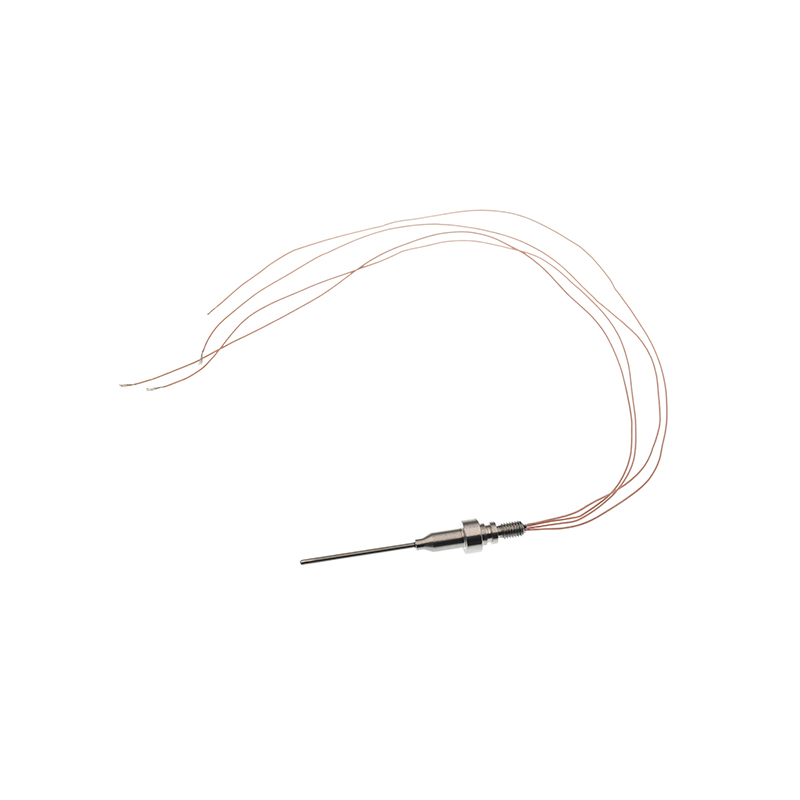 Sensor de temperatura marino PT100
Artículo del producto no.: SKT-2045 Elemento de medición de temperatura ...
-
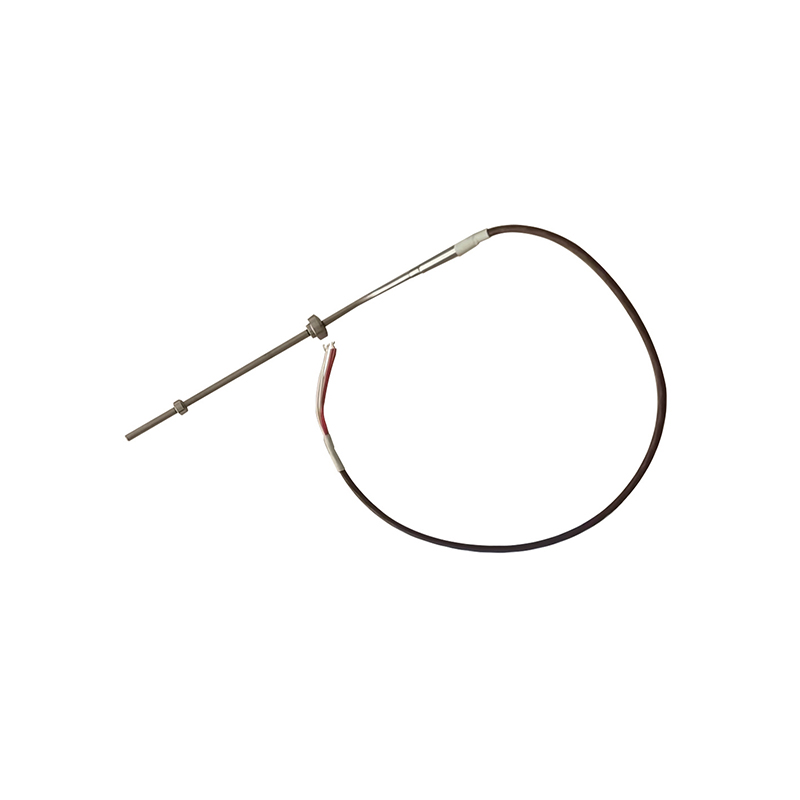 Sensor de temperatura de escape de múltiples puntos
Artículo del producto no.: SKT-2572 Cable Alambre resistente a la...
-
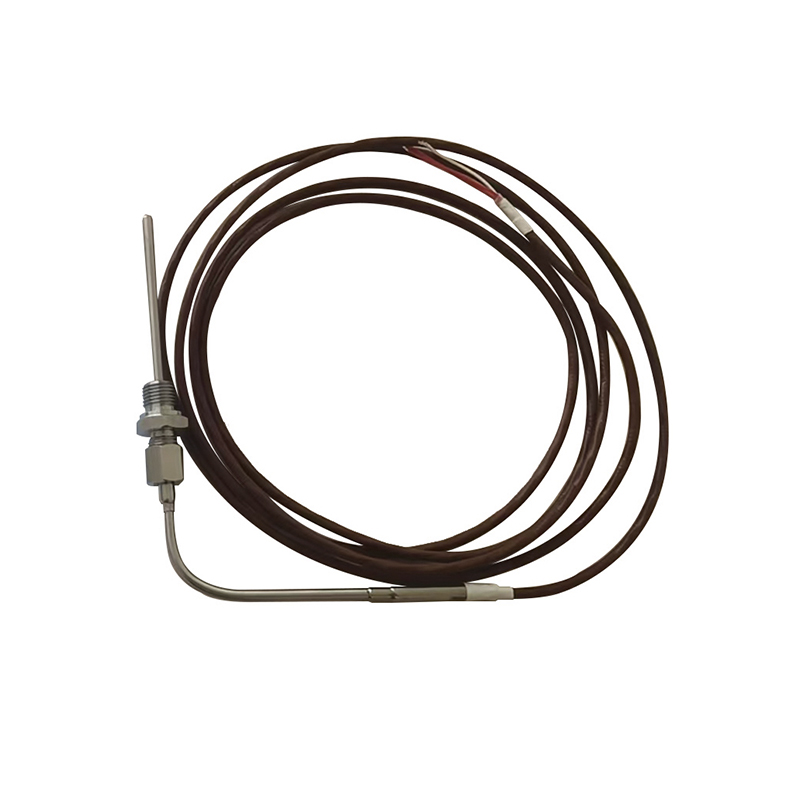 Sensor de temperatura de escape de múltiples puntos
Artículo del producto no.: SKT-2573 Cable Alambre resistente a la...
-
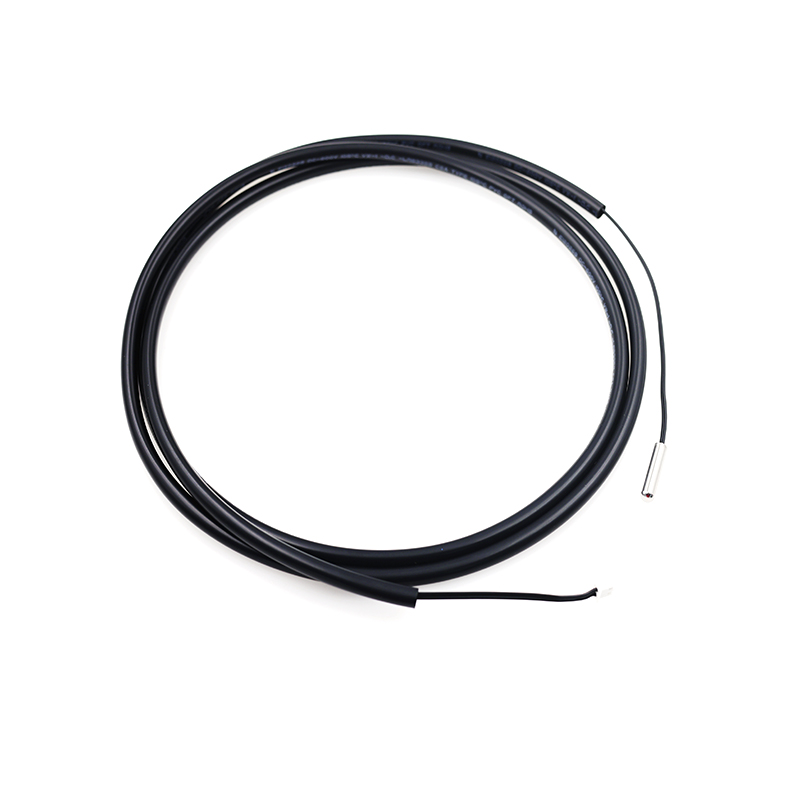 Sensor de temperatura
Artículo del producto no.: SKT-2574 Precisión del producto B (25/...
-
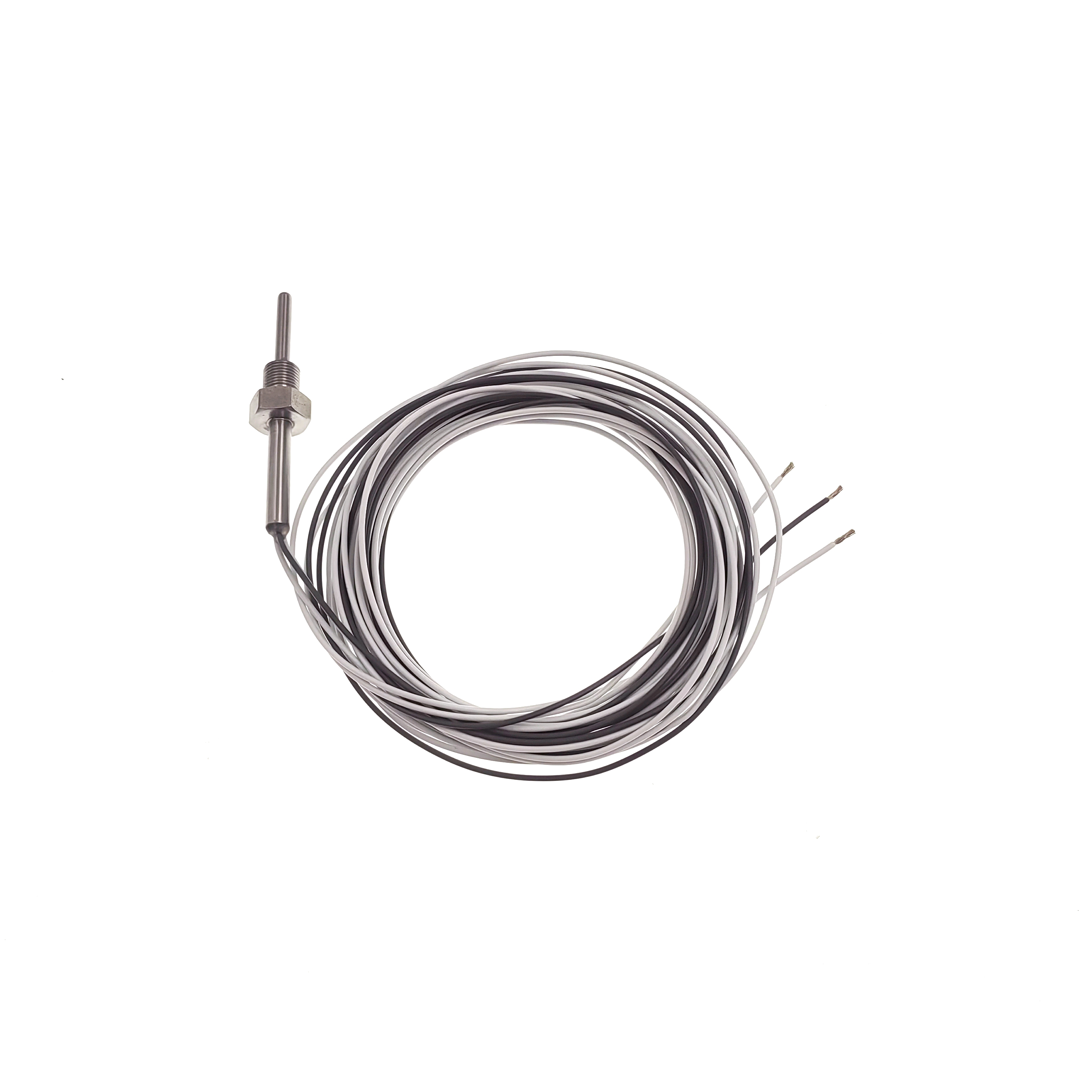 Resistencia térmica PT100
Artículo del producto no.: SKT-2673 Elemento de medición de temperatura ...
-
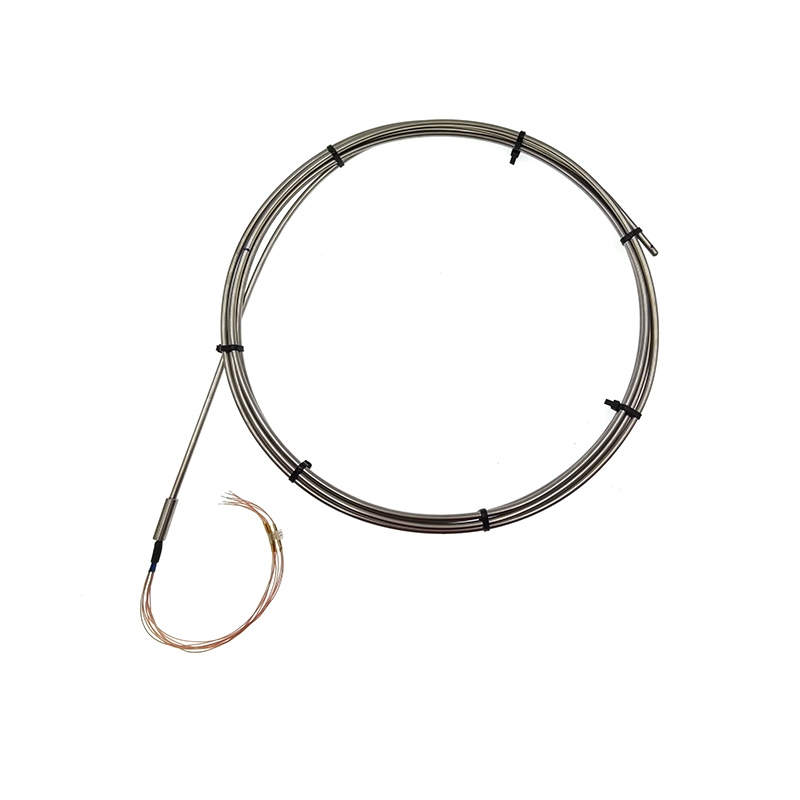 Sensor de temperatura blindada de múltiples puntos de resistencia térmica PT100
Artículo del producto no.: SKT-2677 Elemento de medición de temperatura y Q&#...
-
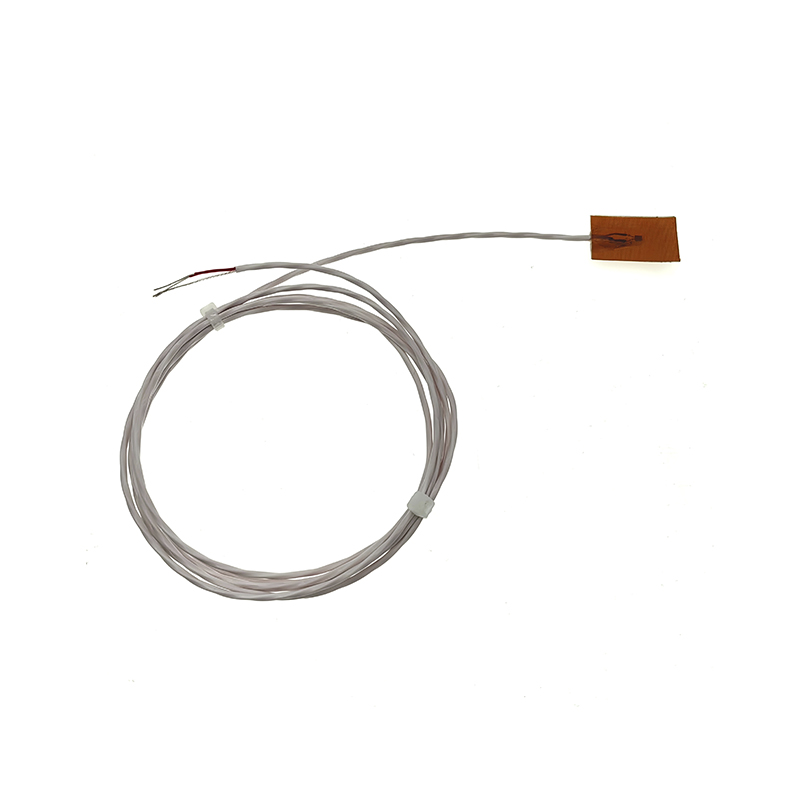 Sensor de temperatura de montaje de superficie autoadhesivo PT100
Artículo del producto no.: SKT-2690 Elemento de medición de temperatura ...
-
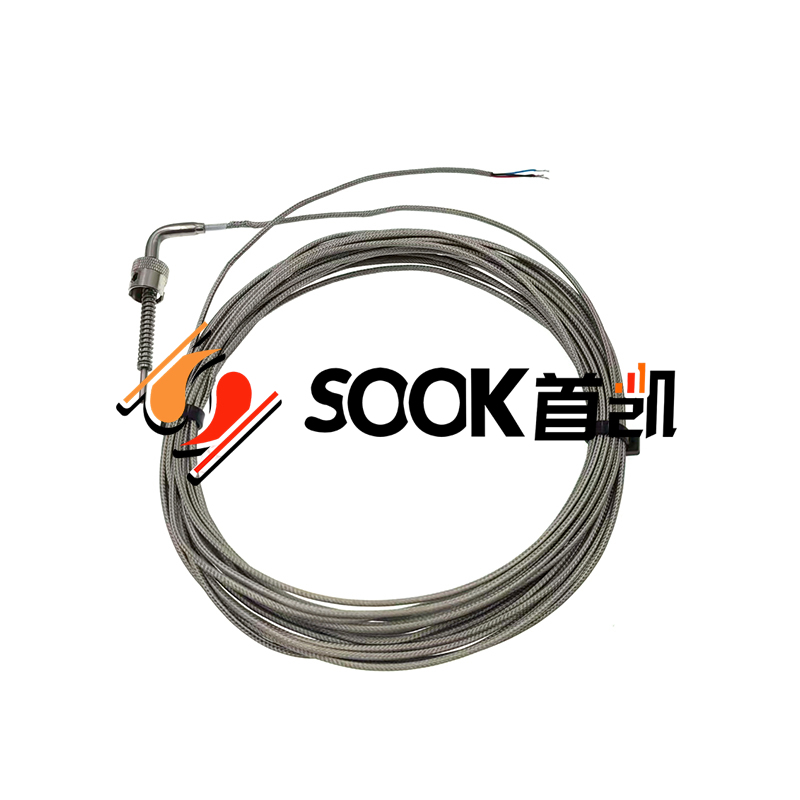 Resistencia térmica PT100
Elemento de medición de temperatura PT100 Precisión ...
-
 Resistencia térmica PT100
Elemento de medición de temperatura PT100 Precisión ...
Certificado
Especializado en la investigación y desarrollo del sensor de temperatura de escape de vehículos inteligentes, sensor inteligente de NOx, sensor NH3, sensor H2 y sensor de velocidad, diseño, producción, ventas e integración.
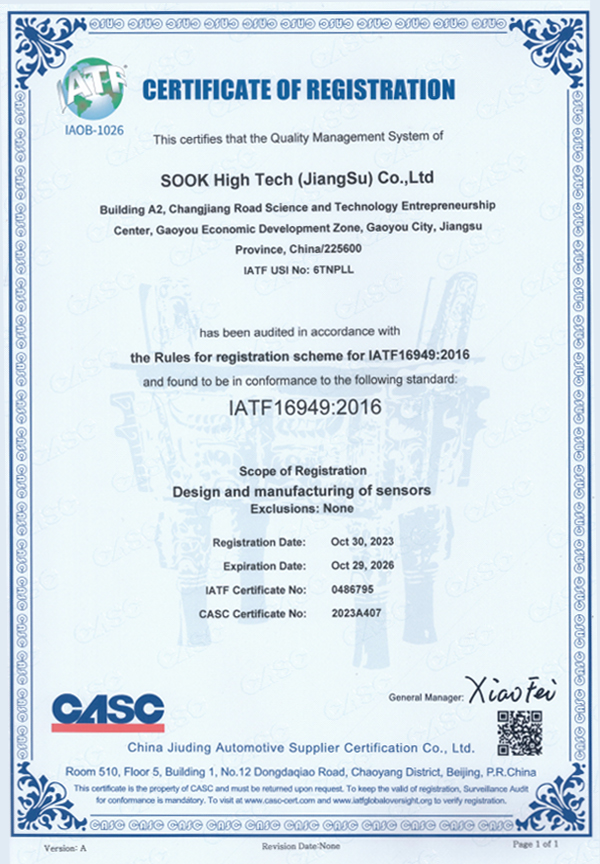
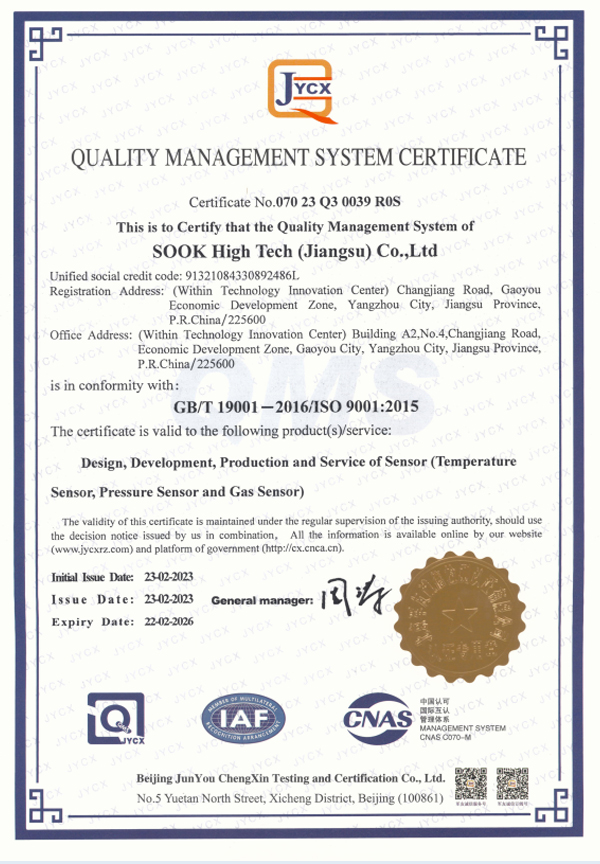
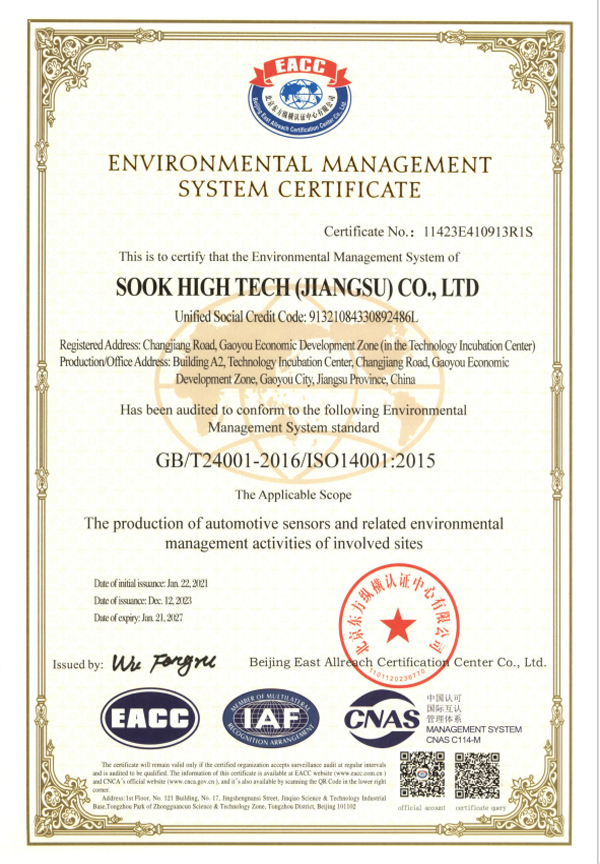
SOBRE NOSOTROS
Sook High Tech (Jiangsu) Co., Ltd.
Sook High Tech (Jiangsu) Co., Ltd. fue establecida en 2015, con un capital registrado de 30.5 millones de yuanes. Ha obtenido el reconocimiento de empresa de alta tecnología, pequeña y mediana empresa nacional de ciencia y tecnología, empresa de software, miembro de la Asociación de Tecnología de Estandarización de la Industria de Maquinaria de China, miembro del consejo de la Asociación de la Industria de Sensores e Internet de las Cosas, miembro del consejo de la Rama de Sensores de la Asociación de la Industria de Instrumentos de China y miembro del consejo de la Cámara de Comercio de Importación y Exportación de Jiangsu.
Como un profesional de China OEM Fabricantes de Sensores de Temperatura por Resistencia Térmica y ODM Fábrica de Sensores de Temperatura por Resistencia Térmica (RTD)
, SOOK High Tech se enfoca en el diseño, producción, venta e integración de diversos sensores para automóviles inteligentes y campos industriales, así como cables y calentadores para el campo industrial. Tiene una capacidad de producción anual de 600,000 sensores de varios tipos. Hay más de 2,000 artículos de sensores de temperatura de escape, 450 artículos de sensores NOx y 1,300 artículos de sensores ABS, que se exportan a Europa y Estados Unidos.
Comentarios de mensajes
Noticias recientes
Aprenda sobre nuestra información de exhibición de la industria y eventos recientes en nuestra empresa.
-
¿Qué hace un termopar en un horno?
¿Qué hace un termopar en un horno? A El termopar de un horno actúa como dispositivo primario de detección de temperatura, convirt...04 -
Tipos de detectores de temperatura de resistencia: elementos RTD, cableado y aplicaciones
Un ingeniero de mantenimiento comparó recientemente dos cotizaciones de lo que parecía la misma sonda de temperatura PT100. Un proveedor pidió e...28 -
¿Es fácil reemplazar un sensor de NOx?
¿Es fácil reemplazar un sensor de NOx? La respuesta corta En la mayoría de los casos, reemplazando un sensor de NOx E...21 -
Sensores PTC vs RTD: ¿Cuál es la diferencia real?
Respuesta rápida: PTC vs IDT de un vistazo La diferencia central entre PTC (coeficiente de temperatura positivo) sensores y ...14
Sensores de temperatura de los termistores Conocimientos de industrial
What are some typical applications for Thermistors Temperature Sensors in automotive electronics or portable devices?
1. Gas Turbine and Engine Exhaust Temperature Monitoring
K-type thermocouples, due to their wide temperature measurement range (-200°C to 1250°C) and excellent oxidation resistance, are commonly used for real-time exhaust temperature monitoring in gas turbines, aircraft engines, and automotive engines, helping to optimize combustion efficiency and provide fault warnings.
2. Metallurgy and Metal Heat Treatment
In the heat treatment of metals such as steel and aluminum alloys, precise control of the furnace temperature profile is essential. K-type thermocouples maintain stable output in high-temperature environments, making them the preferred sensor for critical locations such as furnace temperatures, heat treatment furnaces, and forging dies.
3. Petrochemical and Chemical Process Control
Petroleum refining and chemical reactors often involve high-temperature, corrosive media. The high-temperature and corrosion-resistant properties of K-type thermocouples enable reliable temperature measurement of critical nodes such as reactors, heat exchangers, and steam pipes, ensuring production safety.
4. Industrial Furnaces and Ceramic Firing
High-temperature firing processes for ceramics, glass, and other applications require extremely high temperature uniformity. K-type thermocouples can be placed at multiple locations within the furnace to achieve multi-point temperature acquisition, helping to achieve uniform temperature control and improve product quality.
How to calibrate Thermistors Temperature Sensors?
1. Two-Point Calibration: Select two known temperature points (e.g., 0°C and 70°C), measure the corresponding resistance values, and use a logarithmic model to determine the β coefficient, achieving a calibration accuracy of ±0.03°C.
2. Three-Point Calibration: Measure at low, medium, and high temperatures (e.g., -40°C, 25°C, and 125°C). This method further improves linearization accuracy and is suitable for automotive or industrial sensors with a wide temperature range.
3. Using the Steinhart-Hart equation: Solve the equation coefficients at four or more temperature points to achieve higher fitting accuracy. This method is commonly used in scientific research and for high-precision instrument calibration. 4. Batch sampling calibration: Only a small number of samples are taken from a large number of thermistors in the same batch for complete calibration. Statistical methods are used to estimate the overall error range to achieve a balance between cost and accuracy.

AÑADIR: No.85 Jiuyuan Road, Economic Development Zone, Gaoyou city ,Yangzhou city ,225600 Jiangsu Province, China.
Derechos de autor © Sook High Tech (Jiangsu) Co., Ltd. Todos los derechos reservados. China Fabricantes de Sensores de Temperatura por Resistencia Térmica Fábrica Personalizada de Sensores de Temperatura por Resistencia Térmica (RTD)

